
Divorce Lawyer Retainer Fee: What You Need To Know

Are you about to go through a divorce? Wondering how much a lawyer will cost? Knowing about retainer fees can help you manage your legal costs during this tough time.
Divorce costs a lot, and legal fees are a big part of it. A retainer fee is a payment you make first. It gets you a lawyer and sets up how you’ll pay for your case.
This guide will tell you all about divorce lawyer retainer fees. It will help you make smart choices about your legal and financial plans during a divorce.
Table of Contents
Key Takeaways
- Retainer fees are initial payments to secure legal representation
- Fees vary based on lawyer experience and case complexity
- Understanding fee structures can help manage legal expenses
- Retainer amounts differ across different states and regions
- Always clarify billing practices before signing an agreement
Understanding the Divorce Lawyer Retainer Fee
Going through a divorce can be tough, and dealing with money is part of it. A retainer fee is key in starting your work with a divorce lawyer.
Definition of a Retainer Fee
A retainer fee is money you pay upfront to start working with a lawyer. It’s like a deposit that means you’re serious about your case. This payment makes a deal between you and your lawyer.
- Typically paid before legal work begins
- Represents an advance payment for future legal services
- Ensures attorney availability for your divorce proceedings
Purpose of a Retainer Fee
The main goal of a retainer fee is more than just paying for work. It does several important things for your case:
| Purpose | Details |
|---|---|
| Legal Commitment | Secures lawyer’s dedicated time and attention |
| Initial Case Preparation | Covers preliminary research and strategy development |
| Financial Protection | Provides lawyer assurance of compensation for services |
Knowing about retainer fees helps you understand the money side of your divorce. It also helps you know what to expect from your lawyer.
How Retainer Fees Work in Divorce Cases
Divorce legal services can be hard to understand. Retainer fees help divorce attorneys start working on your case. They also make legal billing easier to follow.
Knowing about retainer fees is key. It helps clients get ready for the money side of their legal fight. Divorce lawyers ask for money upfront to start working and cover first costs.
Initial Costs Covered by Retainer
A divorce lawyer’s retainer covers many important services:
- Initial case assessment and consultation
- Legal document preparation
- Preliminary client communications
- Case strategy development
- Basic research and investigation
Billing Against the Retainer
Attorneys keep track of their work. They use the retainer money based on how much time they spend. Here’s how it usually works:
| Service Category | Typical Hourly Rate | Estimated Time |
|---|---|---|
| Legal Consultation | $250-$500 | 1-2 hours |
| Document Preparation | $300-$450 | 2-4 hours |
| Court Filing | $200-$350 | 1-3 hours |
Clients should ask for detailed billing statements. This way, they can see how their retainer is used during the legal process.
Factors Influencing Retainer Fees
Divorce lawyer retainer fees vary a lot. Many important things decide how much you’ll pay for legal help during your divorce.
Lawyer’s Experience and Reputation
A lawyer’s experience and reputation matter a lot. More experienced lawyers charge more because they:
- Have won many complex cases
- Know a lot about family law
- Are great at negotiating
- Have a big network
Complexity of the Case
Every divorce is different and affects costs. Cases that are harder to solve cost more because they need more work.
| Case Complexity Level | Typical Retainer Fee Range | Potential Factors |
|---|---|---|
| Low Complexity | $2,500 – $5,000 | Uncontested divorce, few assets |
| Medium Complexity | $5,000 – $10,000 | Some assets, child custody talks |
| High Complexity | $10,000 – $25,000 | Many assets, business values, tough custody fights |
Geographic Location
Where you live also affects lawyer fees. Cities and places with high living costs have pricier lawyers.
- Urban centers: Higher costs mean higher fees
- Rural areas: Legal help is often cheaper
- State variations: Legal markets vary by region
Looking into local lawyers and understanding these factors helps you choose wisely.
Typical Range of Retainer Fees
Divorce lawyer retainer fees change a lot in the United States. Knowing these costs helps clients plan for legal help during tough times.

These fees change based on many things. This includes state laws, lawyer skills, and how complex the case is.
State-by-State Retainer Fee Breakdown
Legal costs can change a lot based on where you are. Clients should expect different prices in different states.
| State | Average Retainer Fee | Range |
|---|---|---|
| California | $5,000 – $10,000 | High-Cost Region |
| Texas | $3,500 – $7,500 | Mid-Range Region |
| Florida | $2,500 – $6,000 | Moderate-Cost Region |
| New York | $7,000 – $15,000 | Highest-Cost Region |
High-End vs. Low-End Retainer Considerations
Divorce lawyer retainer fees fall into different groups:
- Low-End Retainers: $2,500 – $5,000
- Mid-Range Retainers: $5,000 – $10,000
- High-End Retainers: $10,000 – $25,000+
Higher retainer fees usually mean more experienced lawyers. They handle more complex divorce cases.
How to Choose a Divorce Lawyer
Finding the right divorce lawyer is very important. It can change how your case goes. You need to think carefully and do your homework to find the best lawyer for you.
Evaluating Experience and Practices
When looking for a divorce lawyer, consider these things:
- How many years they’ve worked in family law
- How well they’ve done in past cases
- If they know the local courts well
- If they specialize in your kind of case
Professional credentials are important. Look for lawyers who belong to state bar associations and have extra family law certifications. A seasoned lawyer can guide you through tough legal times.
Checking Reviews and References
It’s key to check a lawyer’s reputation. Here’s how:
- Read what past clients say online
- Look up their record at the state bar association
- Ask for references from other clients
- Check if they’ve had any disciplinary actions
Today, you can learn a lot about lawyers online before you decide. Getting advice from people you trust can also help. They can tell you about the lawyer’s way of communicating and how they handle cases.
Payment Structures of Retainer Fees
Understanding how to pay for divorce legal services is key. Lawyers offer different ways to pay based on your money situation and case details.
Flat Fee vs. Hourly Rate Billing
Lawyers mainly use two ways to bill:
- Flat Fee: A set price for certain legal services
- Hourly Rate: Paying for the time spent on your case
Flat fees are clear, so you know the cost upfront. Hourly rates can change based on how complex your case is.
Flexible Payment Plans
Law firms know divorce can be expensive. They offer flexible payment plans:
- Installment plans
- Sliding scale fees based on income
- Partial free services
- Credit card and financing options
Talking about payment during the first meeting helps find the best plan for you.
It’s important to read and understand fee agreements. Know what services are included and any extra costs that might happen.
What Happens to Unused Retainer Funds?
Understanding divorce legal services can be tricky. People often wonder about refunds and how prepaid legal fees are used. They ask about what happens to unused retainer funds.
When you pay a retainer fee, it doesn’t mean the money is yours no more. The money goes into a special account. It’s used as you need legal help.
Refund Policies
Refund policies differ from one law firm to another. Most lawyers have clear rules about unused retainer funds:
- They often give back some money if you don’t use all the hours
- Some lawyers use the leftover money for future legal help
- They send you detailed bills to show how the money was spent
Implications for Future Services
Unused retainer funds can affect your future legal help. Clients should read their retainer agreement carefully. It explains how funds are used and if you can get a refund.
Law firms usually:
- Give clear reports on how the money was spent
- Let you use the leftover money for more legal services
- Talk about options for refunds or using the money later
Talk to your divorce lawyer to understand their policies. This way, you know what happens to your retainer funds and if you can get a refund.
Possible Additional Costs Beyond the Retainer
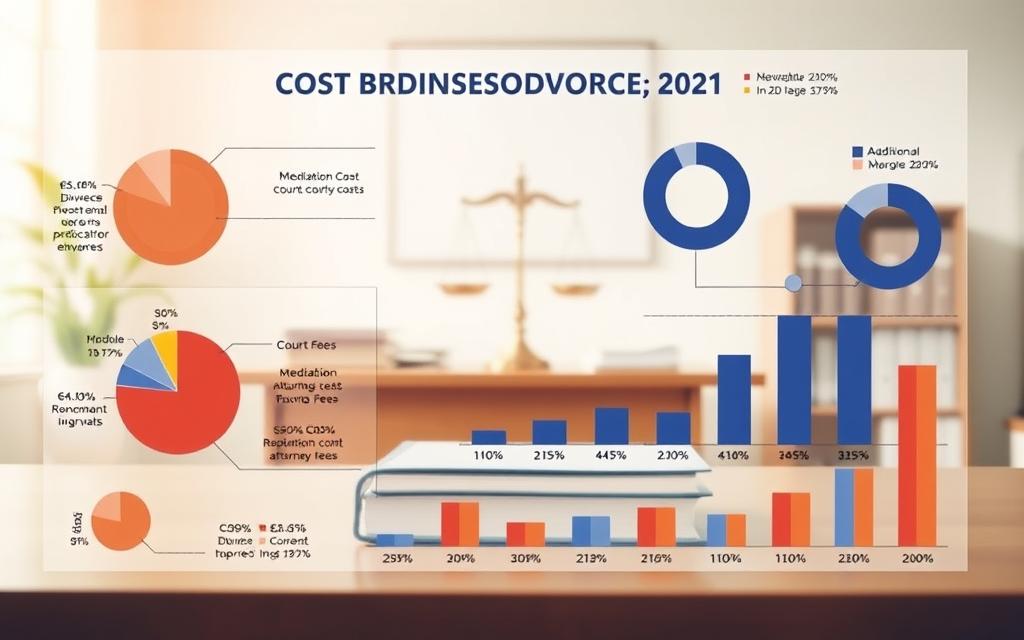
Divorce can have extra costs beyond the first payment. Knowing these costs helps you plan your money better. This way, you won’t be surprised by extra fees during your case.
Going through a divorce needs careful money planning. Your lawyer’s first payment covers basic services. But, you might face extra costs later on.
Filing Fees and Court Costs
Court costs can add up fast in a divorce. These include:
- Initial court filing fees
- Document processing charges
- Motion filing expenses
- Court reporter fees
Fees vary by state. They can be from $100 to $500. Some courts help those who can’t pay by waiving fees.
Expert Witness Fees
Some divorces need special expert opinions. Experts help in areas like:
- Property valuation
- Child custody evaluations
- Financial forensic analysis
- Business asset assessment
These services aren’t in the first payment. Expert fees are $200 to $500 an hour. This can make your legal costs much higher.
Talk about extra costs with your lawyer at the start. This helps you plan your money better.
Negotiating the Retainer Fee
It can be hard to deal with the money side of hiring a divorce lawyer. Knowing how to talk about retainer fees is important. It helps clients pay for legal help without breaking the bank.
Talking openly with your divorce lawyer about money is key. It makes your legal work clear and easy to handle.
Strategic Approaches to Discussing Legal Fees
- Research average local divorce lawyer rates beforehand
- Prepare a clear list of questions about fee structures
- Be transparent about your financial limitations
- Request a detailed breakdown of possible costs
Budget Considerations for Legal Services
Think about how much money you have before planning for divorce legal costs. Realistic budgeting stops unexpected money problems.
| Negotiation Strategy | Potential Outcome |
|---|---|
| Discuss payment plans | Flexible monthly payments |
| Explore limited scope representation | Lower legal costs |
| Negotiate flat fee options | Known legal costs |
Many lawyers want to work with clients to find good fee deals. Talking openly and being ready are important for good money talks in legal services.
The Role of Retainer Fees in Legal Strategy

Retainer fees are key in planning a legal strategy for divorce. They are more than just money. Lawyers use them to set clear expectations and handle complex cases.
How retainer fees are set and used is very important. Lawyers use these payments to start strong on your case.
Strategic Case Management Approach
Divorce lawyers use retainer fees to plan and use resources wisely. This helps them:
- Prioritize important case parts
- Set time for research and getting ready
- Deal with unexpected legal issues
- Keep in touch with clients well
Long-Term Planning Considerations
Retainer fees let lawyers plan ahead with proactive legal strategies. They help lawyers:
- Do a deep first look at the case
- Make detailed legal plans
- Have backup plans for different situations
- Stay financially stable during long cases
Knowing how retainer fees work helps clients see the value of their legal team during divorce.
Alternative Payment Options for Divorce Legal Services
Getting a divorce can be very expensive. Many lawyers now have flexible payment plans. This makes getting legal help more affordable.
Understanding how to pay for divorce legal help is key. There are many ways to manage costs.
Limited Scope Representation
Limited scope representation is a smart way to save money. It lets clients choose what legal help they need. They don’t have to pay for everything.
- Pay for specific legal tasks
- Reduce overall legal expenses
- Customize legal support to individual needs
Clients can pick what they need, like help with papers or going to court.
Fixed Fee Arrangements
Fixed fee arrangements mean you know how much you’ll pay. This helps you plan your budget better.
- Predetermined total cost
- No surprise billing
- Clear financial expectations
Lawyers with fixed fees look at how hard your case is first. Then, they set a price. This way, they get paid fairly and you know what to expect.
Questions to Ask Before Paying a Retainer
Understanding legal costs during a divorce can be tricky. It’s important to know how your lawyer charges and what the retainer fee covers.
Having a list of questions is key. It protects your money and makes talking to your lawyer clear.
Clarifying Retainer Service Coverage
When talking about a retainer fee, ask these questions:
- What legal services does the retainer include?
- Are court filing fees included or extra?
- What’s the hourly rate and how is time charged?
- How will you charge for talking and paperwork?
Understanding Billing Practices
Being open about money is important in working with a lawyer. Ask these questions:
- Retainer Exhaustion Protocol: What if the retainer runs out before your case ends?
- When do you need more money from the retainer?
- Will you give me detailed invoices?
- How often will I get bills?
- What if there’s money left over in the retainer?
Asking these questions helps set up a clear plan. It stops surprises and builds trust with your lawyer.
Final Thoughts on Hiring a Divorce Lawyer
Going through a divorce needs smart legal help. Your lawyer’s choice can really change your case’s outcome. It’s key to pick someone with lots of Family Law Knowledge and Experience.
The right lawyer will help you with legal steps and give emotional support too. This is very important during a tough time.
Good Negotiation Skills are key for solving tough issues like who gets what and who gets to see the kids. A great divorce lawyer knows how to protect your rights and find fair solutions. They can also plan ahead to lessen stress and costs.
Choosing a good divorce lawyer is like investing in your future. Look for lawyers who really know family law, talk clearly, and care about your case. They should make you feel strong and ready for what’s next.
Making an Informed Decision
Do your homework on lawyers, check their success stories, and meet them first. Pick someone who listens well and supports you on this hard path.
The Importance of Legal Support in Divorce
Having a pro by your side means your rights are safe and your side is heard. A smart lawyer can guide you through tricky legal areas. This could save you a lot of stress and money later on.



Leave a Comment