
Nursing Home Neglect: Elderly Vulnerability Crisis Exposed
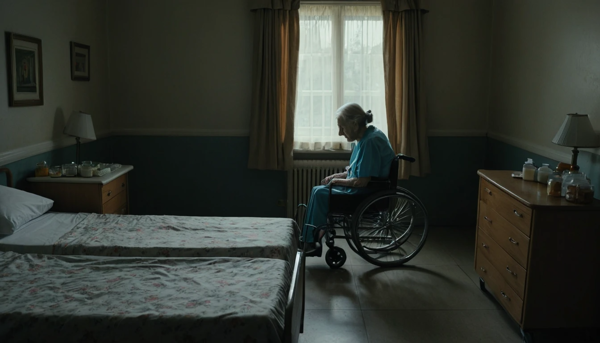
Nursing home neglect is a silent epidemic hurting our elderly. Learn the warning signs, causes, and how families can fight back to protect loved ones.
Table of Contents
🧓 Elderly Vulnerability: The Silent Epidemic of Nursing Home Neglect
Ever wonder what happens behind nursing home doors?
It’s a question many avoid, until it’s too late.
The truth?
Many elderly are quietly suffering. They face untreated bedsores and missed meals. Nursing home neglect is a growing crisis. Families trust these places, hoping their loved ones are safe. But sometimes, that trust is broken.
Let’s explore this silent epidemic and what you can do to stop it.
🚨 What Is Nursing Home Neglect?
Nursing home neglect is when caregivers don’t meet basic needs.
It’s not always on purpose, but it’s very harmful.
Examples include:
- Not giving enough food or water
- Not helping with hygiene or medical needs
- Ignoring calls for help
- Letting infections or bedsores get worse
Neglect is different from abuse—it’s about what’s not done. But the harm can be just as bad.
There are strong legal protections for abuse to ensure elderly residents in nursing homes are safe and treated with dignity.
🧠 Why Elderly People Are More Vulnerable
Older adults face physical and mental challenges. This makes them easy targets.
Reasons include:
- Weakened immune systems
- Cognitive issues like dementia
- Fear of retaliation if they report
- Lack of family visits or oversight
This makes them more at risk when caregivers don’t do their job.
⚠️ Common Signs of Nursing Home Neglect
Concerned about a loved one?
Look out for these signs:
- Unexplained weight loss
- Poor hygiene (dirty clothes, unwashed hair)
- Untreated bedsores or infections
- Sudden mood changes or withdrawal
- Dehydration or malnutrition
- Unsafe living conditions (e.g., dirty rooms, broken equipment)
If something seems off, trust your instincts. 🚨
🏥 Physical Neglect in Nursing Homes
Staff failing to meet physical needs can cause suffering and even death.
Examples:
- Not moving bedbound patients
- Ignoring bathroom needs
- Missing medication doses
- Letting wounds fester
These small lapses can lead to serious problems.
🧴 Poor Hygiene and Sanitation Problems
Poor cleanliness is not just unpleasant—it’s dangerous.
Poor hygiene may cause:
- Infections (UTIs, pneumonia, sepsis)
- Bedsores
- Skin rashes
- Mental distress or embarrassment
Every human deserves to feel clean and cared for. 🧼
🍽️ Signs of Malnutrition vs. Dehydration
| Malnutrition | Dehydration |
|---|---|
| Weight loss | Dry mouth or lips |
| Fatigue | Dizziness or fainting |
| Brittle hair and nails | Confusion or irritability |
| Muscle weakness | Dark urine or reduced urination |
| Weakened immune system | Low blood pressure |
🧬 Emotional Neglect: A Hidden Harm
Neglect isn’t just physical—it can deeply affect emotions too.
Emotional neglect looks like:
- Isolation from others
- Ignored when speaking
- No stimulation (books, games, visitors)
- Verbal coldness or indifference
Seniors need love, attention, and interaction to thrive. 💔
🤕 Medical Neglect: When Health Is Ignored
Skipping medical care is deadly. Period.
This includes:
- Not treating infections
- Skipping medications
- Delaying emergency care
- Failing to manage chronic conditions like diabetes or heart disease
Medical neglect is one of the leading causes of preventable deaths in nursing homes.
🕵️ Why Neglect Happens in Nursing Homes
So why is this happening in facilities meant to help?
Top causes include:
- Understaffing 😞
- Poor training 🧑🏫
- High employee turnover 🔁
- Weak management 🧑💼
- Greedy ownership putting profits over people 💸
When staff are rushed or unqualified, residents suffer.
💼 Staff-to-Patient Ratio Recommendations
| Level of Care | Recommended Ratio |
|---|---|
| Basic care needs | 1 staff per 6–8 residents |
| Moderate care needs | 1 staff per 4–6 residents |
| Intensive care or dementia | 1 staff per 2–4 residents |
🧾 Legal Responsibilities of Nursing Homes
Nursing homes have a legal duty to provide proper care under federal and state laws.
They must:
- Follow care plans
- Maintain cleanliness and safety
- Prevent avoidable health issues
- Respect resident rights
- Document and report changes
Neglect isn’t just wrong—it’s against the law. ⚖️
⚖️ Your Rights as a Family Member
Families have power too!
You have the right to:
- Visit your loved one at any reasonable time
- Review their medical records
- Request care meetings
- File complaints or legal action if needed
- Transfer to another facility
Don’t let fear stop you from speaking up. 🗣️
🔍 How to Identify a Neglectful Nursing Home
Before placing your loved one, look for these signs:
- Overworked or rude staff
- Dirty hallways or unpleasant smells
- Residents who seem lonely or upset
- High staff turnover
- Delayed responses to call buttons
Trust your gut. A tour can tell you a lot.
👩⚕️ Checklist Before Choosing a Nursing Home
| Question | What to Look For |
|---|---|
| Are staff friendly and attentive? | Smiles, eye contact, patience |
| Is the facility clean and odor-free? | Fresh smell, no trash or spills |
| Are residents engaged? | Social activities, happy faces |
| Is care tailored to individual needs? | Personal plans, flexible schedules |
| Are there enough caregivers on duty? | No long waits, visible presence |
🛡️ What You Can Do If You Suspect Neglect
Feeling helpless? Here’s your action plan:
- Document everything (photos, dates, symptoms)
- Speak with facility staff and management
- File a formal complaint with your state’s health department
- Call Adult Protective Services (APS)
- Talk to a nursing home neglect attorney
Don’t wait until it’s too late. ⏳
🧑⚖️ When to Consider Legal Action
Sometimes, the only way to get justice is through the legal system.
You may have a case if:
- There are injuries or wrongful death
- Neglect caused pain and suffering
- The facility violated care standards
An experienced attorney can help you collect evidence and fight for compensation.
A skilled nursing home abuse lawyer in Omaha can help protect your loved ones from mistreatment. They understand elder abuse laws deeply. Get justice and compensation with an experienced nursing home abuse lawyer by your side.
❤️ How to Be an Advocate for Your Loved One
You can help prevent neglect by staying involved.
Tips:
- Visit frequently, at different times
- Ask questions and read care reports
- Build relationships with staff
- Attend care plan meetings
- Listen to your loved one carefully
Your presence is powerful. ✊
✅ Conclusion: Let’s Protect Our Seniors Together
Nursing home neglect is real—but it’s not unstoppable.
By learning the signs, asking the right questions, and taking action, you can be your loved one’s voice.
Every senior deserves to live with dignity, respect, and proper care. 🧓❤️
Let’s break the silence and protect the most vulnerable among us.
❓ FAQs: Elder Neglect in Nursing Homes
What are early signs of elder neglect?
Look for mood changes, weight loss, and poor hygiene. These signs are important. Visit often and ask questions.
Can I sue a nursing home for neglect?
Yes, if you can prove harm due to negligence. A lawyer can help you gather evidence and file the proper claims.
How do I report nursing home neglect?
Contact your state’s health department or Adult Protective Services. Always keep records when making a report.
What makes elderly people easy targets?
Cognitive decline, fear, and isolation make seniors vulnerable. Many can’t speak up or don’t understand what’s happening.
How can I choose a safe nursing home?
Look for clean environments, kind staff, and active residents. Use checklists and trust your instincts when touring.

Leave a Comment