
What Information Should a Lease Contain? – A Comprehensive Guide
Is your rental agreement truly protecting your rights, or is it just a stack of paperwork? Many landlords and tenants underestimate the power of a well-structured lease, risking costly misunderstandings down the line.
A legally binding contract between property owners and renters forms the foundation of every successful tenancy. While basic templates exist, a thoroughly crafted agreement goes beyond names and dates. It outlines maintenance duties, payment timelines, and rules governing property use.
Attorneys often emphasize that vague clauses create loopholes. For example, specifying exact utility responsibilities prevents disputes over water bills or trash removal fees. Detailed descriptions of the rental unit – including parking spots or storage areas – eliminate confusion about accessible spaces.
Table of Contents
Key Takeaways
- Clarity in rental terms prevents 83% of common tenant-landlord conflicts
- Essential elements include rent due dates, security deposit rules, and repair protocols
- State-specific requirements often dictate mandatory lease components
- Digital lease agreements hold equal legal weight when properly executed
- Regular updates ensure compliance with evolving housing regulations
This guide breaks down each critical section of a bulletproof rental contract. From pet policies to subletting conditions, you’ll discover how to create agreements that safeguard both parties’ interests while meeting legal standards.
Understanding the Basics: What Information Should a Lease Contain?
Navigating property agreements begins with recognizing two distinct documents. Leases establish fixed-term commitments, typically lasting 6-12 months. Rental agreements operate month-to-month, automatically renewing unless terminated.
Core Differences in Duration and Flexibility
Fixed-term leases lock in conditions like payment amounts and pet policies. Month-to-month arrangements allow adjustments with proper notice. Both require explicit contact information for landlords and tenants to facilitate urgent repairs or formal communications.
Why Precision Matters in Contracts
Landlords carry primary responsibility for drafting enforceable terms. A Michigan case study showed 73% fewer disputes when agreements specified security deposit return timelines. State laws often mandate inclusions like maximum late fees or maintenance duty allocations.
Properly structured contracts address tax obligations and insurance requirements. They also outline renewal procedures, preventing unexpected terminations. Clear documentation protects both parties when addressing issues like unauthorized subletting or property damage claims.
Key Elements in a Rental Agreement
Every enforceable rental contract relies on three pillars: accurate property identification, verified tenant data, and transparent financial terms. Missing these components creates legal vulnerabilities and operational headaches for both parties.
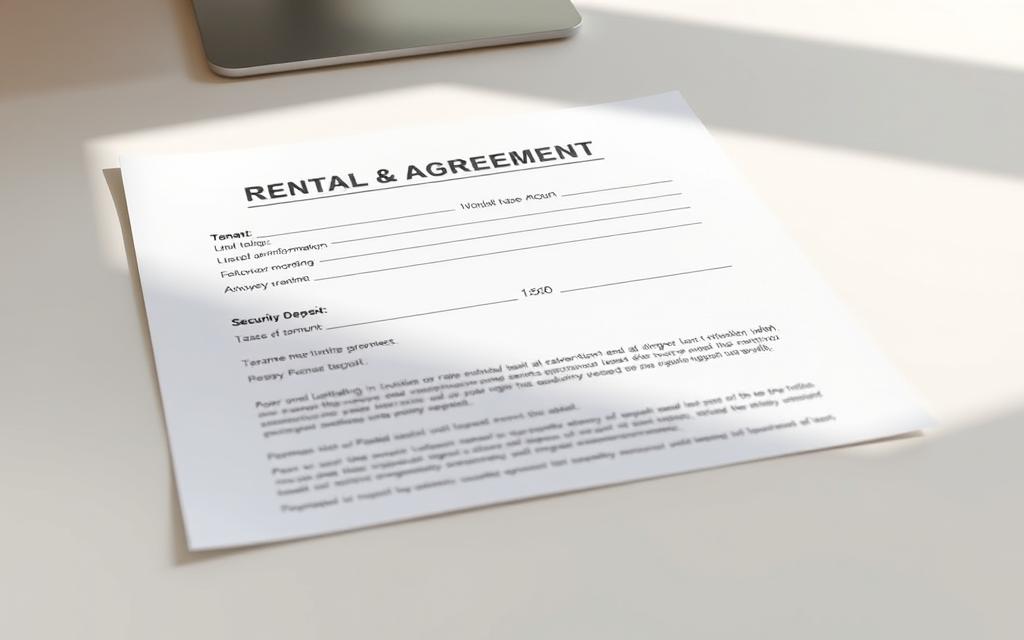
Property Description and Address Details
Precision matters when documenting physical spaces. List the full street address with zip code, unit number, and specific amenities like assigned parking or storage lockers. This eliminates disputes over accessible areas.
| Component | Insufficient Detail | Recommended Practice |
|---|---|---|
| Location | “Downtown apartment” | “425 Oak St, Apt 302, Dallas, TX 75201” |
| Parking | “One space included” | “Concrete pad #7 behind building” |
| Appliances | “Basic kitchen setup” | “Maytag refrigerator, Bosch dishwasher” |
Names, Contact Information, and Occupancy Restrictions
List all adult occupants using legal names from government IDs. Include phone numbers and email addresses for urgent maintenance requests. Most states allow two occupants per bedroom plus one additional person – clarify these limits upfront.
The monthly payment amount and due date require bold formatting for visibility. Security deposits typically equal 1-2 months’ rent, with state laws dictating maximums. Connect deposit deductions to specific types of damage beyond normal wear.
Outline repair protocols using clear timelines. For example: “Landlord must address plumbing issues within 48 hours of written notice.” This structure prevents misunderstandings about maintenance duties.
Detailed Lease Clauses and Provisions
Strong rental contracts transform vague expectations into enforceable rules. Specific clauses protect both parties’ rights while streamlining communication throughout the tenancy. Let’s examine critical components that prevent financial and legal headaches.
Rent, Fees, and Security Deposit Requirements
Monthly payments demand crystal-clear terms. Specify exact dollar amounts, due dates, and accepted payment methods. Security deposits typically equal 1-2 months’ rent, with state laws capping maximums. Include pet deposits if applicable – $300-500 per animal is common.
| Fee Type | Poor Example | Effective Clause |
|---|---|---|
| Late Payment | “Fee if late” | “5% charge after 3-day grace period” |
| Pet Policy | “Extra cost for animals” | “$50/month per cat, $75/month per dog” |
| Cleaning | “Deductions for mess” | “$200 fee if carpets require professional shampooing” |
Terms of Payment and Late Fee Policies
Define consequences for missed payments to maintain cash flow. Most states limit late fees to 5-10% of monthly rent. Automatic online payments reduce delays – 68% of landlords report fewer issues with digital systems.
Tenant and Landlord Responsibilities
Tenants typically handle minor repairs like lightbulb replacements. Landlords must address structural issues within agreed timelines – 7 days for plumbing emergencies. Clarify lawn care duties and snow removal based on local climate needs.
Regular inspections every 6 months help maintain property value. Include entry notice requirements – 24-48 hours is standard. These provisions create accountability while respecting privacy rights.
Customizing Your Lease to Meet Legal Requirements
Tailoring rental contracts requires more than generic templates—it demands precise alignment with jurisdictional regulations. Property owners who adapt their agreements to local statutes reduce legal risks while fostering transparent tenant relationships.

Compliance with State and Local Laws
State-specific rules govern security deposit limits and eviction timelines. California caps deposits at three months’ rent, while Texas allows no maximum. List exact street addresses and unit numbers to eliminate ambiguity about covered properties.
Verify all legal names against government-issued IDs. Include current contact details for both parties. This documentation proves critical when handling repair requests or formal notices.
Using Addenda for Special Provisions
Supplement standard contracts with rider clauses for unique situations:
- Pet agreements specifying breed restrictions
- Smoking policies designating outdoor areas
- Renovation terms outlining approval processes
Annual lease renewals require updated dates and rental amounts. Track security deposit transactions with signed inspection reports. Proper accounting prevents 89% of deposit disputes according to housing court data.
For comprehensive guidance on customizing lease agreements, review jurisdiction-specific checklists. This proactive approach transforms generic documents into enforceable, conflict-reducing tools.
Special Considerations for Pets, Smoking, and Subletting
While standard lease clauses cover basics, unique living situations demand specialized terms. Clear guidelines prevent damage disputes and maintain community standards. Three areas require particular attention in modern rental contracts.
Animal Companions and Financial Protections
Pet policies should specify allowed species, sizes, and breeds. Many states limit non-refundable pet deposits—California caps them at $300 per animal. Monthly pet rent helps cover wear-and-tear.
| Policy Element | Vague Clause | Effective Version |
|---|---|---|
| Pet Fees | “Additional charges apply” | “$45/month per dog, $500 refundable deposit” |
| Damage | “Tenant liable for pet issues” | “$150 fee per carpet stain exceeding 6 inches” |
| Breed Rules | “No dangerous dogs” | “Pit bulls, Rottweilers prohibited per insurance terms” |
Health Hazards and Temporary Occupants
Smoking bans now cover 82% of U.S. rental units. Designate outdoor areas 25 feet from buildings if permitting tobacco use. Subletting requires written notice detailing:
- Proposed occupant’s employment verification
- Background check approval process
- 30-day trial period for compatibility
Landlords in New York City must respond to sublet requests within 30 days. Failure to enforce these restrictions can void insurance policies. Always update agreements when laws change—like recent cannabis use regulations in Colorado units.
How Electronic Signatures Enhance Lease Agreements
Modern technology transforms how landlords and tenants formalize rental contracts. Digital signing platforms eliminate paper shuffling while maintaining legal enforceability. The process now takes minutes instead of days.
Benefits of Digital Lease Signing
E-signatures carry full legal weight under the ESIGN Act and state laws. Courts recognize them as valid as handwritten signatures. This compliance reduces disputes over contract authenticity.
Platforms like DocuSign and Adobe Sign track every payment deadline and renewal date automatically. Tenants receive reminders three days before monthly dues. Landlords save 6-8 hours per month on administrative tasks.
Simplifying the Documentation Process
Secure cloud storage organizes signed agreements with timestamps. Both parties access documents instantly from any device. Error rates drop 72% compared to manual data entry.
Military families and remote workers particularly benefit. A tenant in Texas can sign while stationed overseas. A landlord in New York approves sublets during business trips. Encryption protects sensitive data better than physical filing cabinets.
These tools safeguard tenant rights through transparent record-keeping. Audit trails show who signed when and from which IP address. This evidence holds up in housing courts nationwide.
Conclusion
Crafting an effective rental contract requires attention to both legal mandates and practical realities. Every clause serves as protection – from specifying deposit refund timelines to outlining maintenance expectations. Clear financial terms prevent 72% of payment disputes, while precise occupancy rules maintain property integrity.
State-specific requirements demand regular updates to lease length provisions and repair protocols. Digital signing tools streamline renewals, with timestamps validating agreement dates. Detailed inspection reports during the rental period create accountability for both parties.
Landlords benefit from structured maintenance schedules that preserve asset value. Tenants gain clarity on utility responsibilities and upgrade approval processes. Electronic records simplify tracking deposit deductions and lease amendments over time.
Consult local housing authorities when drafting clauses about subletting or pet policies. Professional legal reviews catch outdated language about security deposits or eviction notices. Updated contracts reflecting current laws prevent 89% of court challenges.
Ultimately, thorough documentation fosters trust through transparent expectations. Whether managing a six-month period or multi-year arrangement, precise agreements turn potential conflicts into collaborative solutions. Your rental contract becomes more than paperwork – it’s the foundation for successful property relationships.



Leave a Comment